

Sickle Cell Anemia
SYMPTOMS
1
Pain crisis
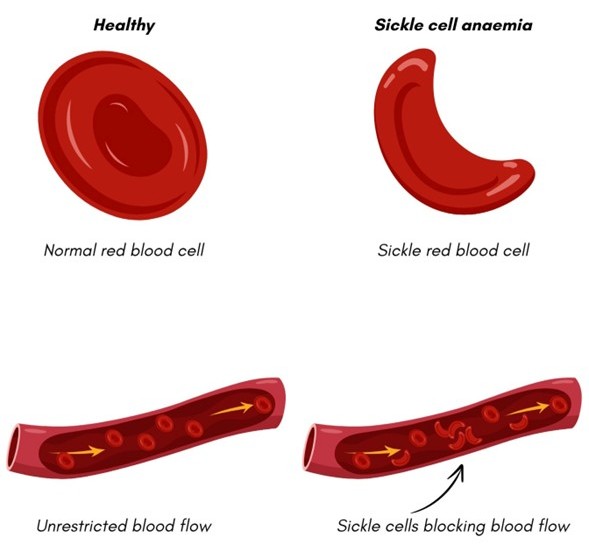
One of the hallmark symptoms of sickle cell anemia is sudden, severe pain. These painful episodes develop when sickle-shaped red blood cells obstruct blood flow. It can occur anywhere in the body, but it often affects the chest, abdomen, and joints. The pain can last from a few hours to several days and may require hospitalization.
2
Anemia
Patients with sickle cell anemia typically have a low red blood cell count. Symptoms of anemia include fatigue, weakness, and shortness of breath.
3
Swelling of hands and feet
Also known as dactylitis, swelling of the hands and feet can be an early sign of the disease in infants and young children. This swelling is caused by sickle cells obstructing blood flow to the extremities.
4
Frequent infections
Sickle cell anemia (SCA) can damage the spleen, an organ that helps fight infections. This is why patients are more prone to infections. Vaccines and antibiotics are often used to help prevent them.
5
Stroke
In some cases, sickle cell anemia (SCA) can obstruct blood flow to the brain, causing a stroke. Stroke symptoms include sudden weakness or numbness, slurred speech, and loss of consciousness. This is a serious complication and requires immediate medical attention.
6
Organic damage
Over time, due to chronic lack of oxygen and repeated blockages of blood flow, ACF can cause damage to organs such as the liver, kidneys, lungs, and heart.
Diagnosis of sickle cell anemia
Sickle cell anemia (SCA) is diagnosed through a simple blood test called hemoglobin electrophoresis, which detects the presence of the abnormal hemoglobin that causes the disease. In many countries, newborns are routinely screened for SCA, allowing for early diagnosis and treatment. Older children and adults can also develop SCA. Early detection is crucial for managing symptoms and preventing complications.
Management of sickle cell anemia
Sickle cell anemia is a serious, chronic condition. While there is currently no universal cure, treatments are available to manage symptoms and prevent complications. These include medications, blood transfusions, bone marrow transplants in some cases, and gene therapy. People with sickle cell anemia should work closely with their healthcare providers to develop a comprehensive care plan.
Living with sickle cell anemia
Living with sickle cell anemia (SCA) requires careful, daily monitoring. Here are some tips to help you maintain your health:
1
Stay hydrated
Drink plenty of water to maintain good blood circulation.
2
Avoid extreme temperatures
Dress appropriately for the weather to prevent sickle cell anemia crises.
3
Use caution at high altitudes
Lack of oxygen at high altitude can trigger a crisis (air travel shouldn’t be a problem, as planes are pressurized to maintain a stable oxygen level).
4
Exercise regularly
Engage in moderate physical activity, but avoid excessive exertion.
5
Prevent infections
Stay up to date with vaccinations and practice good hygiene to reduce the risk of infection.
6
Relax
Stress can trigger crises. Use relaxation techniques such as deep breathing, meditation, or a hobby to manage stress.
7
Regular medical checkups
Visit your doctor regularly to monitor your condition and detect any complications early.
Fast Pharma understands the processes, expedites regulatory procedures, and guarantees the logistical operation to facilitate the availability of medicines.
Our national and international alliances allow us to meet the needs of patients, medical staff and institutions with products of high quality standards.